What is HASL
HASL covers exposed copper with solder and then levels the surface with hot air. Lead Free HASL is commonly selected for RoHS-oriented projects. It is widely used for many standard FR4 PCB applications.
PCB Surface Finish
ENIG and HASL are common PCB surface finish options. The right choice depends on assembly method, component pitch, storage expectations and reliability requirements.
HASL covers exposed copper with solder and then levels the surface with hot air. Lead Free HASL is commonly selected for RoHS-oriented projects. It is widely used for many standard FR4 PCB applications.
ENIG adds electroless nickel and immersion gold to provide a flat, solderable surface. It is often selected for fine pitch components, BGA assembly, test pads and applications that require better pad planarity.
HASL can be suitable for many conventional assemblies, while ENIG provides a flatter pad surface for dense and fine-pitch designs. Assembly requirements should be reviewed before selecting a finish.
HASL is common for standard industrial boards and general electronics. ENIG is often used for HDI PCB, multilayer PCB, BGA designs, medical electronics and higher density assemblies.
Designers should consider component pitch, storage time, surface flatness, compliance requirements and final use environment when comparing finish options.
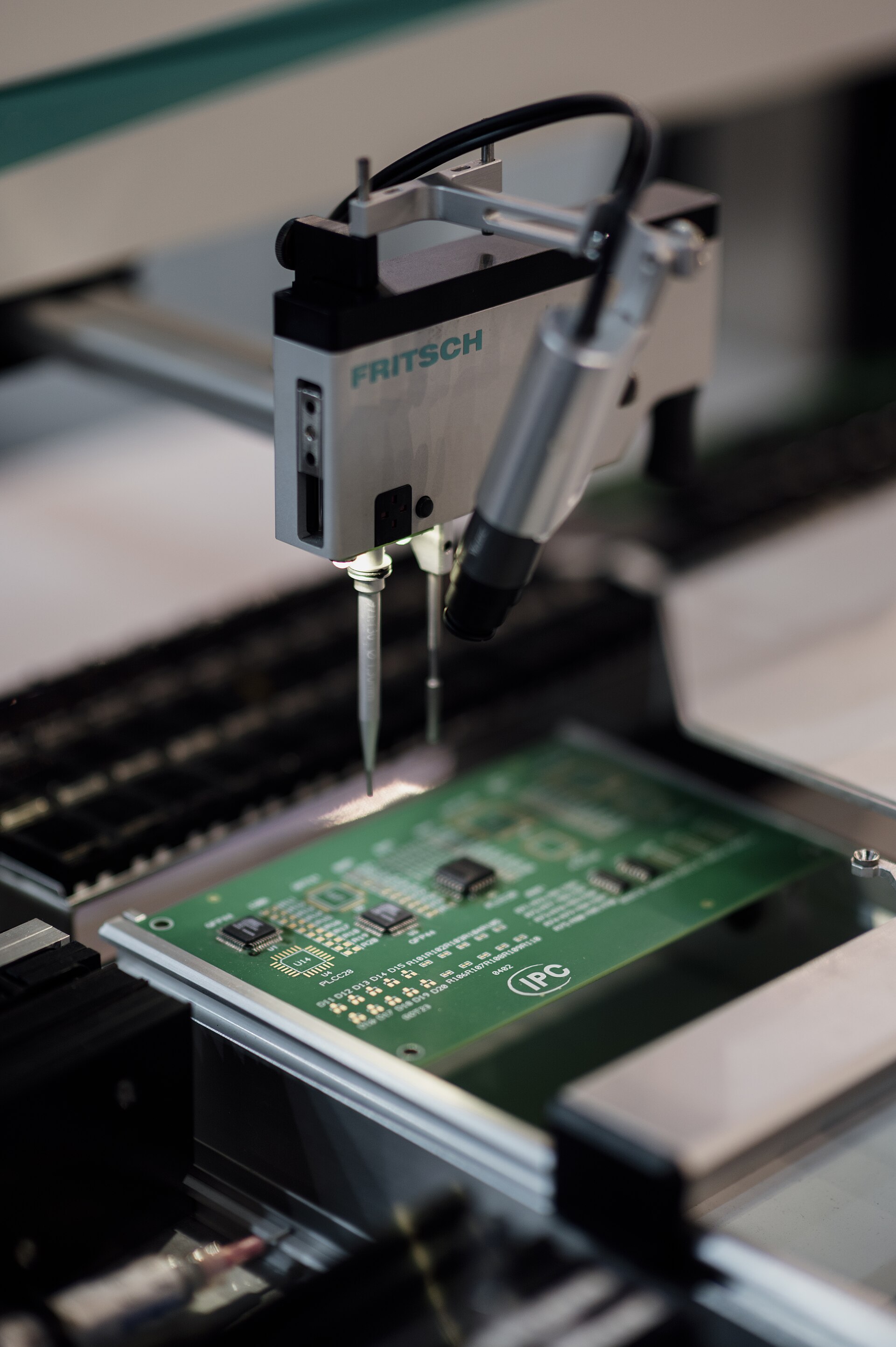
YBCPCB reviews PCB files, material requirements, stackup notes and inspection needs before production planning.
HASL covers exposed copper with solder and then levels the surface with hot air. Lead Free HASL is commonly selected for RoHS-oriented projects. It is widely used for many standard FR4 PCB applications.
ENIG adds electroless nickel and immersion gold to provide a flat, solderable surface. It is often selected for fine pitch components, BGA assembly, test pads and applications that require better pad planarity.
HASL can be suitable for many conventional assemblies, while ENIG provides a flatter pad surface for dense and fine-pitch designs. Assembly requirements should be reviewed before selecting a finish.
Send files, stackup notes and manufacturing requirements for technical review.